


Best Historical Places in Okinawa

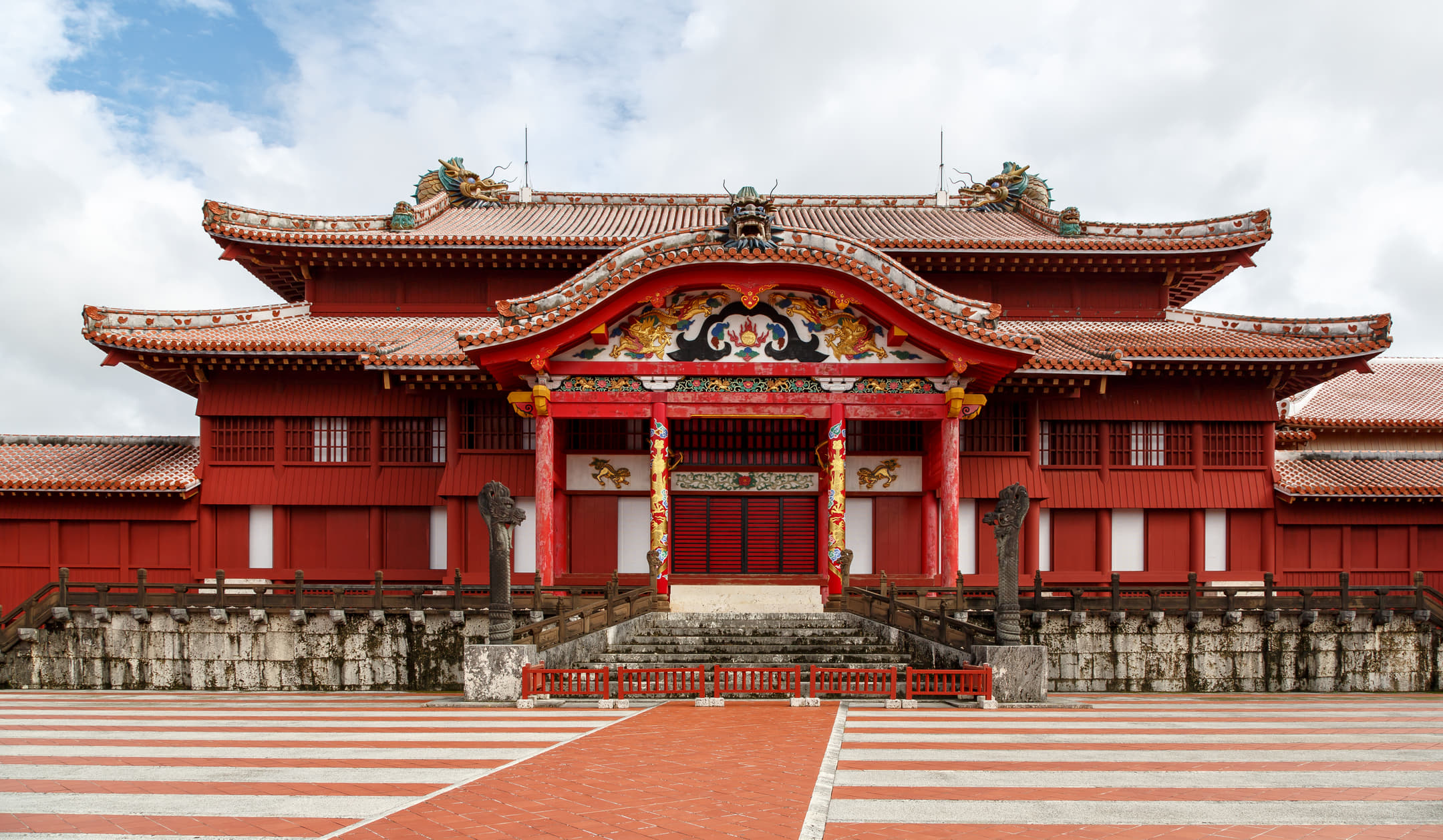
One of the must-visit historical places in Okinawa is the Shurijo Castle, which dates to the fifteenth century. The original structure was made up of just the inner compound, while the outer compound was added a century later. As the story goes, the castle became the centre of control of the Ryukyu Kingdom after a long conflict between different principalities. An interesting feature of the prominent Gusuku is that its gates like the Zuisenmon and Shukujunmon reflect different architectural styles.

Among the significant Okinawa historical places is the ancient sacred site of the Sonohyan Utaki Ishimon. The stunning stone gateway has a plaque that notes its construction in 1519 during the reign of the Second Sho dynasty. The gateway was built entirely from Ryukyu limestone and lies on the left when you cross the Shureimon Gate to enter the Shurjio Castle. A grove of trees right behind the gateway, known as the Sonohyan Utaki, is where people prayed for the king’s safety.

If you are looking for mysterious historical places in Okinawa, add Tamaudun in the Shurijo Castle to your itinerary. Known as the Netherworld of the Castle, Tamaudun was the royal mausoleum where the Ryukyu royal family was laid to rest. The space was built in 1501 by the famous Ryukyu ruler King Sho Shin as a collective grave where different members were buried together. You reach the main stone mausoleum with three chambers once you cross two courtyards lined with coral pebbles.
.jpg?w=340&dpr=2)
Ranked among the Okinawa historical places that showcase the region’s natural beauty, Shikinaen is great for a cosy day out with loved ones. Shikinaen and Uchaya-udun were two residences of the Ryukyu royal family that were destroyed, but Shikinaen was restored to its original form. The garden house was constructed at the end of the eighteenth century and functioned as a guest house for envoys and important royal guests. You can see the influences of Japanese and Chinese styles of gardens here.

Those exploring historical places in Okinawa need to visit the Sefa-Utaki, which is famous as the most sacred place in the Ryukyu Kingdom. The place is lined with several sacred spaces that lie surrounded by lush forests and tall rugged mountains. Records show that Sefa-Utaki was where national festivals and important rituals were organised in the Ryukyu era. The most significant celebration was the appointment of the Kikoe Okimi, who was the main priestess of the kingdom.

Admire the stunning architecture of one of the top Okinawa historical places as you explore the Nakagusuku Castle. In the fifteenth century, Gosamaru, a loyal ally of the Ryukyu ruler, constructed Nakagusuku by adding to an older castle. The masonry techniques, shape of castle gates, and enclosure construction make the castle one of the finest gusuku of its time. The masonry here is so advanced and breathtaking that you rarely find it anywhere else in Japan.
.jpg?w=340&dpr=2)
Explore one of the rare historical places in Okinawa that does not belong to the Ryukyus as you visit the Katsuren Castle. It was one of the most powerful gusukus of the Ryukyu era and had historic ruins of Chinese and Japanese origins. The castle was controlled by a rival ruler who had ambitions to overthrow the Ryukyus but was defeated. Although the castle fell to ruin after the fall of its ruler, it has been restored to its former glory.

Witness the oldest arched gate in the entire Okinawa prefecture as you head to Zakimi Castle of the fifteenth century. The massive castle was one of the many contributions of Gosamaru, a loyal ally of the Ryukyus who also constructed the Nagagusuku Castle. As per historical records, Gosamaru shifted here from Yamada Gusuku and later shifted out to Nakagusuku. What makes the castle special today is its charming panoramic views of the East China Sea and its horizons.

Another Okinawa castle that was not under Ryukyu control, Nakijin Castle was the abode of the powerful Hokuzan kings. The castle lies to the north of the main Okinawa Island and excavations have shown its trade links to China and Southeast Asia. After the Hokuzans lost power, the Chuzans exercised control and made Nakijin an important centre of administration. The massive walls today offer excellent bird’s eye views of the surrounding greenery and blue seas.
FAQs
What are the best historical places to visit in Okinawa?
The best historical places in Okinawa include the Shurijo Castle and its major architectural wonders like the Tamaudun and Sonohyan Utaki Ishimon. Other popular historical places to explore are the Shikinaen and Sefa-Utaki as they showcase the unique cultural influences of the Ryukyu era. The castles of Nakagusuku, Katsuren, Zakimi, and Nakijin are also some of the must-visit historical landmarks in Okinawa.
Why is Kanna Dam Lakeside Park famous?
Kanna Dam Lakeside Park is famous for its moderately challenging six-kilometre-long trail popular among hikers. The park has beautiful walkways and bike trails, picturesque vantage points, picnic areas, a mini museum, and a pond full of lilies. It is one of the most famous Okinawan public parks perfect for a day out for families, groups of friends, couples, and solo travellers.
What is the best time to visit Okinawa?
The best time to visit Okinawa is in the months of April-May and October-November. These months are the spring and autumn seasons in Okinawa when the weather is pleasant and dry. This makes it a great time to explore the outdoors, visit historical attractions, participate in festivals, and explore the beaches. Boat races and hiking are popular activities to try in this period.
Why is Okinawa famous?
Okinawa is famous for its unique culture that encompasses the influences of Japanese, Chinese, and Southeast Asian traditions. The island has unparalleled natural beauty in the form of white sandy beaches, clear ocean waters, dense mangrove jungles, and massive public parks. From ancient castles and places of worship to museums, craft workshops, and theme parks, there is something for everyone in Okinawa.